On this page
A post-Canton Fair adjustable bed supplier follow-up should convert the booth conversation into seven controlled outputs: a meeting record, a product brief, an assumption log, a comparable RFQ, an evidence register, a sample plan and a decision schedule. Without those outputs, photographs and business cards rarely become a reliable OEM project.
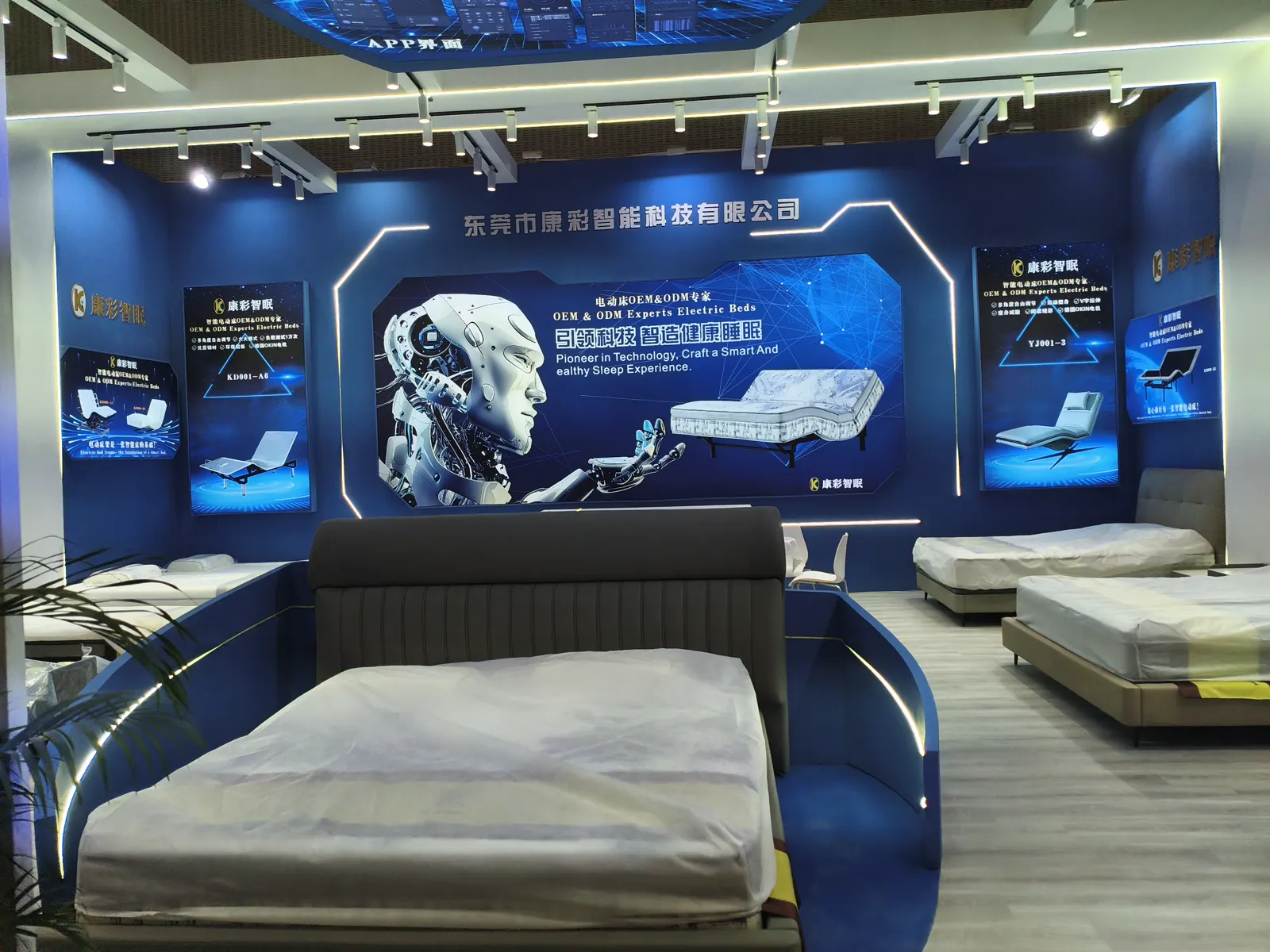
KCAI's original 2025 Canton Fair photographs show adjustable bases and upholstered bed formats at Booth 4.2A08. This article uses that real exhibition context to explain the buyer's next steps. It does not treat the display as proof of final specifications, compliance, capacity or commercial terms.
The seven-step follow-up workflow
| Step | Buyer output | Decision enabled |
|---|---|---|
| 1. Reconcile the meeting record | Contacts, booth, models, photographs and notes | Confirm what was actually discussed |
| 2. Select the product route | Base only, integrated bed, split format or other defined route | Prevent scope drift |
| 3. Issue a controlled RFQ | One revision of requirements sent to shortlisted suppliers | Obtain comparable responses |
| 4. Register evidence | Documents mapped to model, component and destination | Identify what is verified and missing |
| 5. Normalize quotations | Common inclusion, option and assumption matrix | Compare scope before price |
| 6. Define the sample plan | Configuration, objectives and acceptance record | Test the proposal against buyer needs |
| 7. Set decision gates | Owners, dates and approval criteria | Move forward without silent assumptions |
Step 1: reconcile notes, photographs and contacts
Start with one project folder. Rename permitted photographs by supplier, booth and subject. Attach business-card details to the same record and identify who attended from the buyer's team. If two people recorded different answers, mark the issue for clarification rather than choosing the more convenient version.
Build a short meeting summary with four headings:
- products or formats observed;
- buyer requirements discussed;
- statements that require written confirmation;
- actions promised by each party.
Send that summary to the supplier contact as context. It is easier to correct a misunderstanding before a quotation or sample is prepared.
Step 2: choose one product route per quotation line
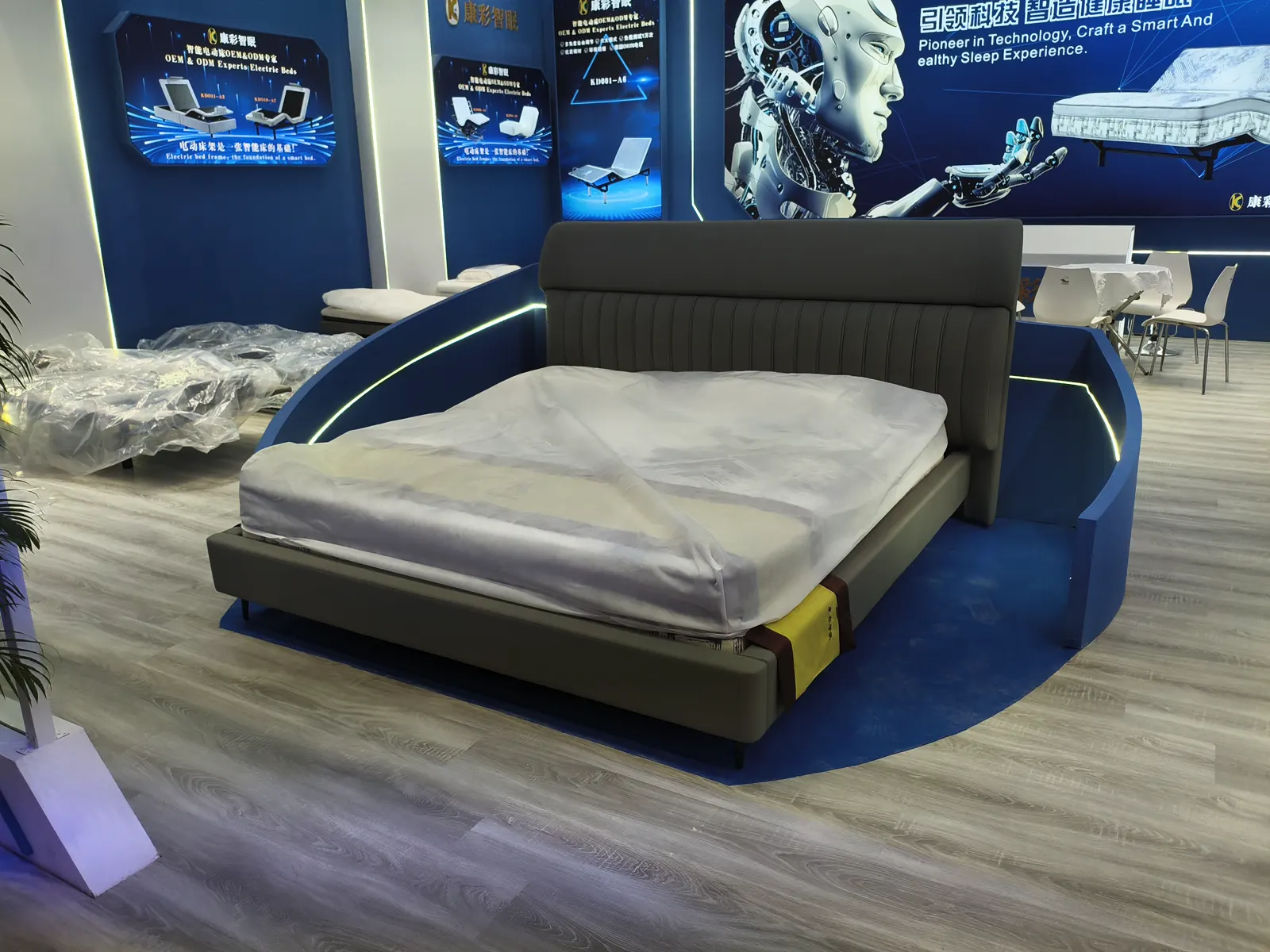
An upholstered whole-bed display and an exposed adjustable base are different sourcing scopes. Quote them separately unless the project deliberately combines them.
Trade-show conversations often move quickly between product families. The follow-up must slow that process down. Decide whether each quotation line concerns:
- an adjustable base intended for an existing bed frame;
- an upholstered or integrated complete-bed presentation;
- a compact or paired system;
- a custom development route;
- accessories or options that should remain separate.
If two routes are still under consideration, request two clearly labeled alternatives. Do not combine them into a vague average configuration. This improves price comparison and prevents the selected visual concept from being paired with the wrong technical platform.
Step 3: send a controlled RFQ with an assumption log
The RFQ should have a revision number and one owner. Include the target market, sales channel, size basis, required functions, preferred options, excluded features, customization, packaging goals, quantity basis and requested evidence. Use "to be confirmed" where the buyer has not decided.
Add an assumption log with three columns:
| Item | Current assumption | Owner and due date |
|---|---|---|
| Product size | Buyer to provide target dimensions or approve proposed basis | Buyer |
| Control features | Supplier to separate standard and optional functions | Supplier |
| Upholstery | Material and color remain open until swatch review | Joint |
| Packaging | Data required for the confirmed sample configuration | Supplier |
| Destination documents | Scope to be reviewed by model and component | Joint |
The purpose is not to eliminate every unknown immediately. It is to make unknowns visible before they affect price, tooling or sample timing. The adjustable bed OEM RFQ checklist provides a more detailed input structure.
Step 4: map evidence to the exact proposal
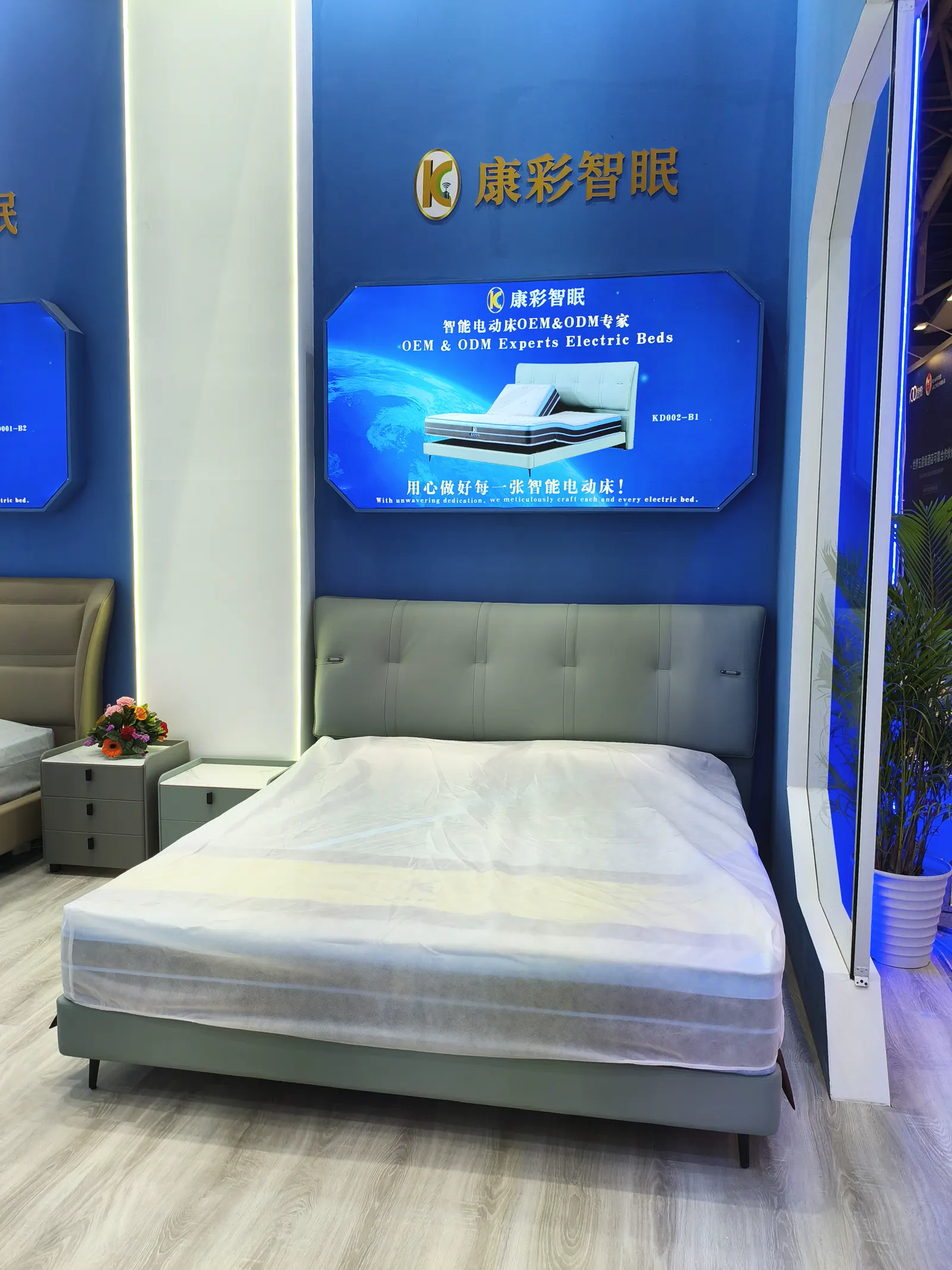
A visible model reference is a useful starting point. The buyer should still confirm the current revision and whether each document applies to the proposed configuration.
Do not store documents in an unstructured attachment folder. Create an evidence register with:
- document title and identifier;
- issue date or revision;
- issuing or testing party, where applicable;
- model or component covered;
- destination or standard referenced;
- limitations or differences from the proposed product;
- review status and reviewer.
If a document covers a component rather than the complete bed, record that distinction. If the final configuration changes, recheck applicability. This is more reliable than a general "documents available" statement.
Step 5: normalize the quotations before comparing price
Two adjustable bed quotations can show different prices because they include different components, finishes, packaging, accessories, tooling or support. Put every response into one comparison matrix.
Compare at least:
- model and revision;
- included functions and controls;
- standard versus optional components;
- upholstery or finish scope;
- carton count and proposed packing basis;
- tooling, sample and artwork charges;
- quantity and Incoterm assumptions;
- requested documents and their current status;
- exclusions, buyer-supplied inputs and open decisions;
- quotation validity and next review point.
Do not reward a quotation for appearing complete when key assumptions are simply hidden. The OEM quote comparison guide offers a structured evaluation matrix.
Step 6: define what the sample must prove
An exhibition sample answers "is this format worth discussing?" A project sample should answer specific approval questions. Define whether it is intended to evaluate:
- appearance and upholstery;
- motion and control functions;
- fit with the target mattress or surrounding furniture;
- assembly and instructions;
- packaging concept;
- documentation and labeling;
- a combination of these items.
Record which items cannot yet be evaluated. For example, an appearance sample may not use final packaging, while a packaging sample may not represent final upholstery. A single word — sample — should never hide these differences.
Step 7: use decision gates instead of an open-ended chat
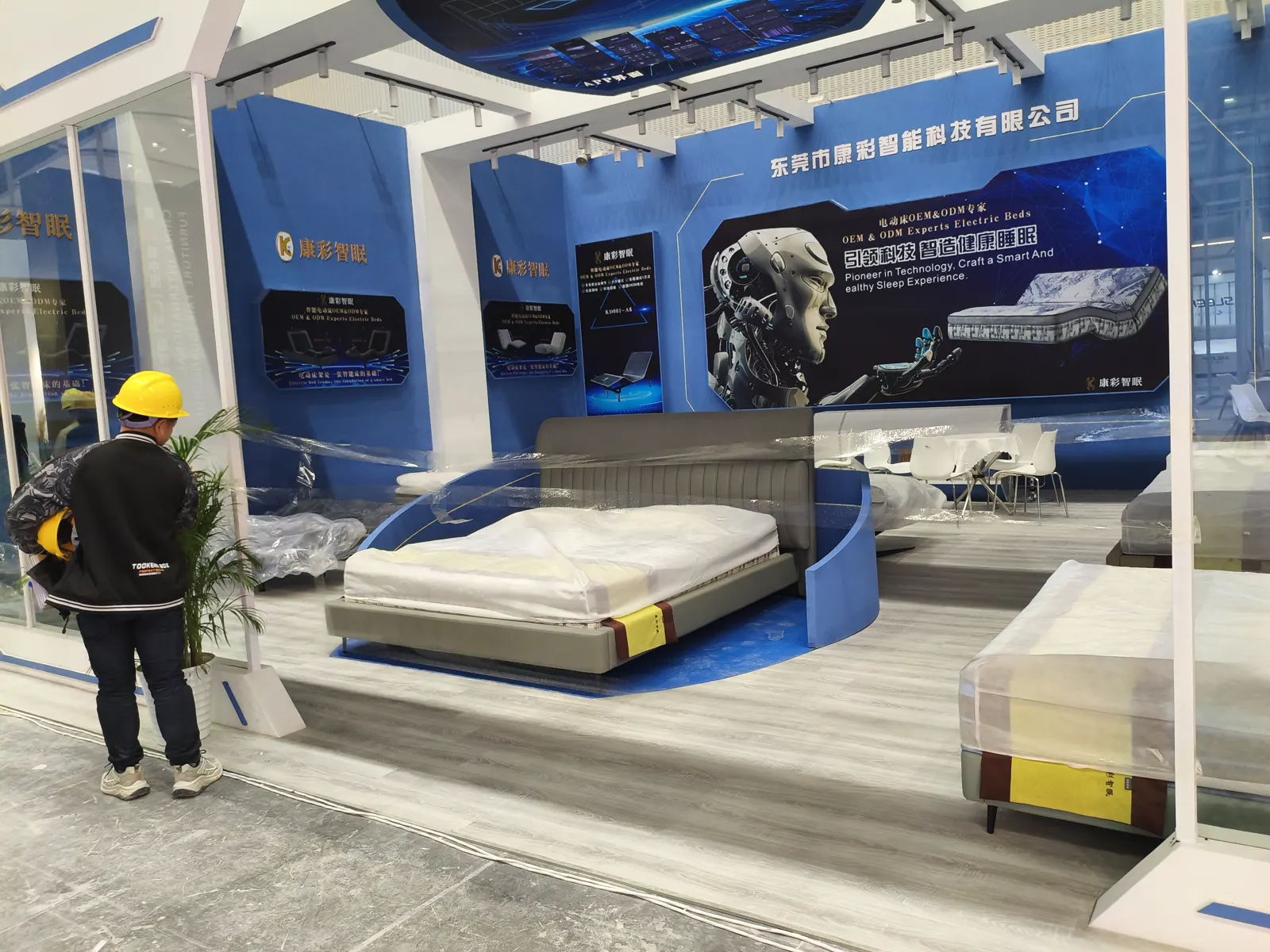
A time-stamped exhibition record is the beginning of the sourcing file, not the final approval.
Create clear gates for the project:
- Brief accepted: the supplier confirms it understands the current requirements and lists gaps.
- Quotation normalized: scope and assumptions are comparable.
- Technical proposal reviewed: drawings, specifications and evidence are checked.
- Sample plan approved: configuration and evaluation objectives are recorded.
- Sample reviewed: deviations and required corrections are documented.
- Golden sample approved: the production reference is identified.
- Production readiness reviewed: quality, packaging and inspection controls are agreed.
Dates should reflect the actual development scope rather than an invented universal timeline. The OEM timeline planning guide explains how dependencies affect the schedule.
Continue the conversation with a complete brief
If a KCAI product seen at Booth 4.2A08 matches your sourcing direction, review the 2025 Canton Fair display article and KCAI's OEM and ODM workflow. Then consolidate your requirements before contacting the team.
Request a quote with the event reference, target market, product route, size basis, required functions, customization needs, packaging goals and open questions. A controlled brief gives both teams a clearer starting point than a photograph alone.