Choosing an adjustable bed manufacturer starts with the product and channel you need to serve. A mattress brand sourcing a base for its own mattress will compare different details from a furniture retailer selling an upholstered bed or an importer handling destination assembly.
The most useful shortlist compares like-for-like configurations and the evidence behind them. Model names and catalogue images are good starting points; the approved specification, sample and written terms decide what is actually being offered.
Last updated:
Start with the program you are building
Before comparing suppliers, describe the product family, destination market, sales channel, expected order range and launch window. Separate must-have requirements from options that could be considered later. A furniture-led range may care about visible finish and retail presentation, while an e-commerce program may focus first on carton dimensions, assembly and returns handling.
Compare evidence, not broad capability claims
Use a short evidence pack for each candidate. The aim is to see whether the product being discussed, its supporting records and the quotation all refer to the same offer.
A missing document should stay visible as an open decision. A certificate title, product photo or general capability statement cannot replace evidence for the model being quoted.
| Review area | Useful evidence | What it helps decide |
|---|---|---|
| Model identity | Model code, revision and dated specification | Whether the offer is traceable to one configuration |
| Product fit | Drawings or interface details relevant to your mattress, frame and channel | Whether the model fits before sampling |
| Market documentation | Applicable documents for the model/configuration and destination | Whether compliance scope is understood and assigned |
| Quality plan | Inspection scope, acceptance criteria and sample records | How the order will be assessed |
| Commercial basis | Quote with quantity, options, packaging, delivery basis and validity | Whether supplier offers can be compared fairly |
| Service | Written warranty scope, parts identification and claims route | Who handles an issue after delivery |
Use model examples to test how specific the discussion gets
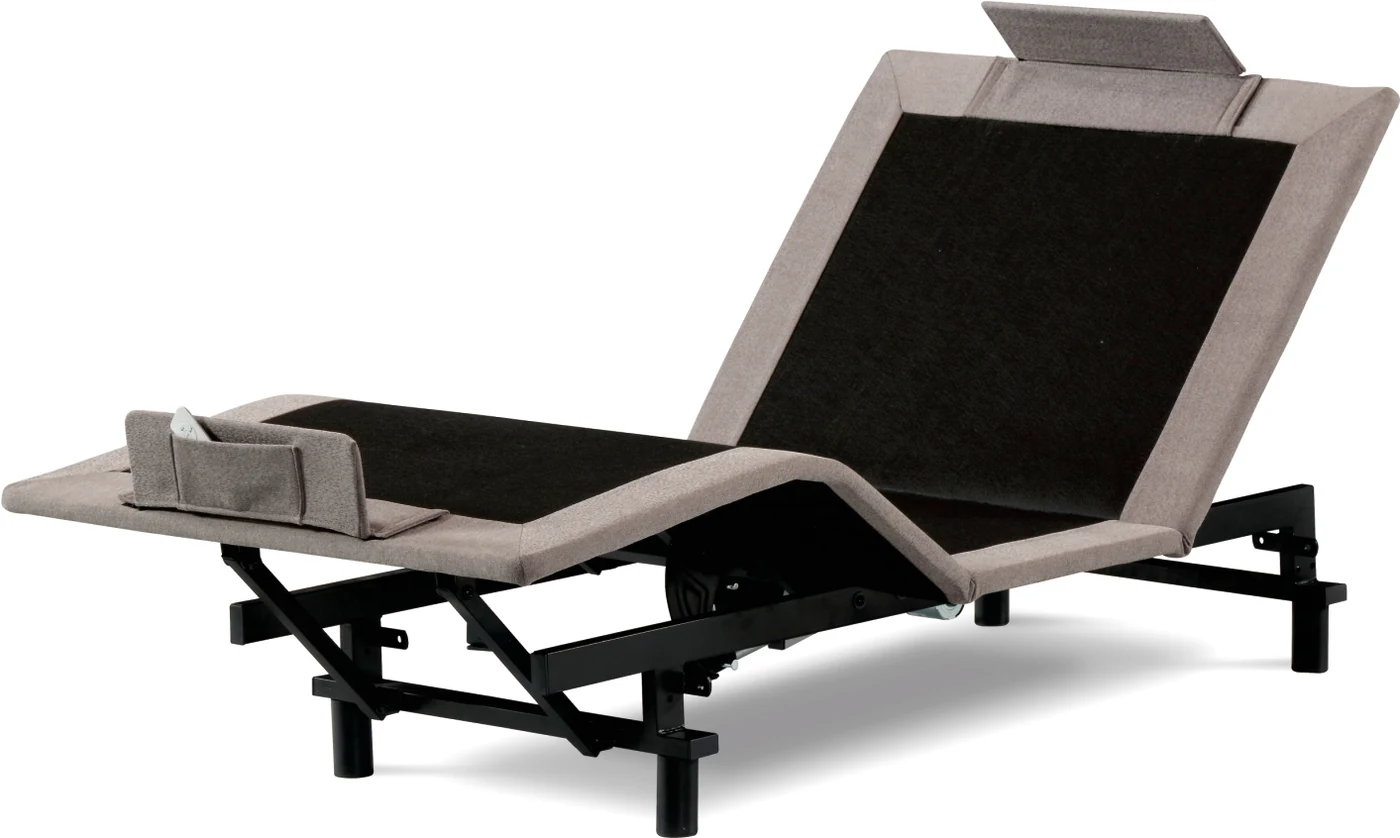
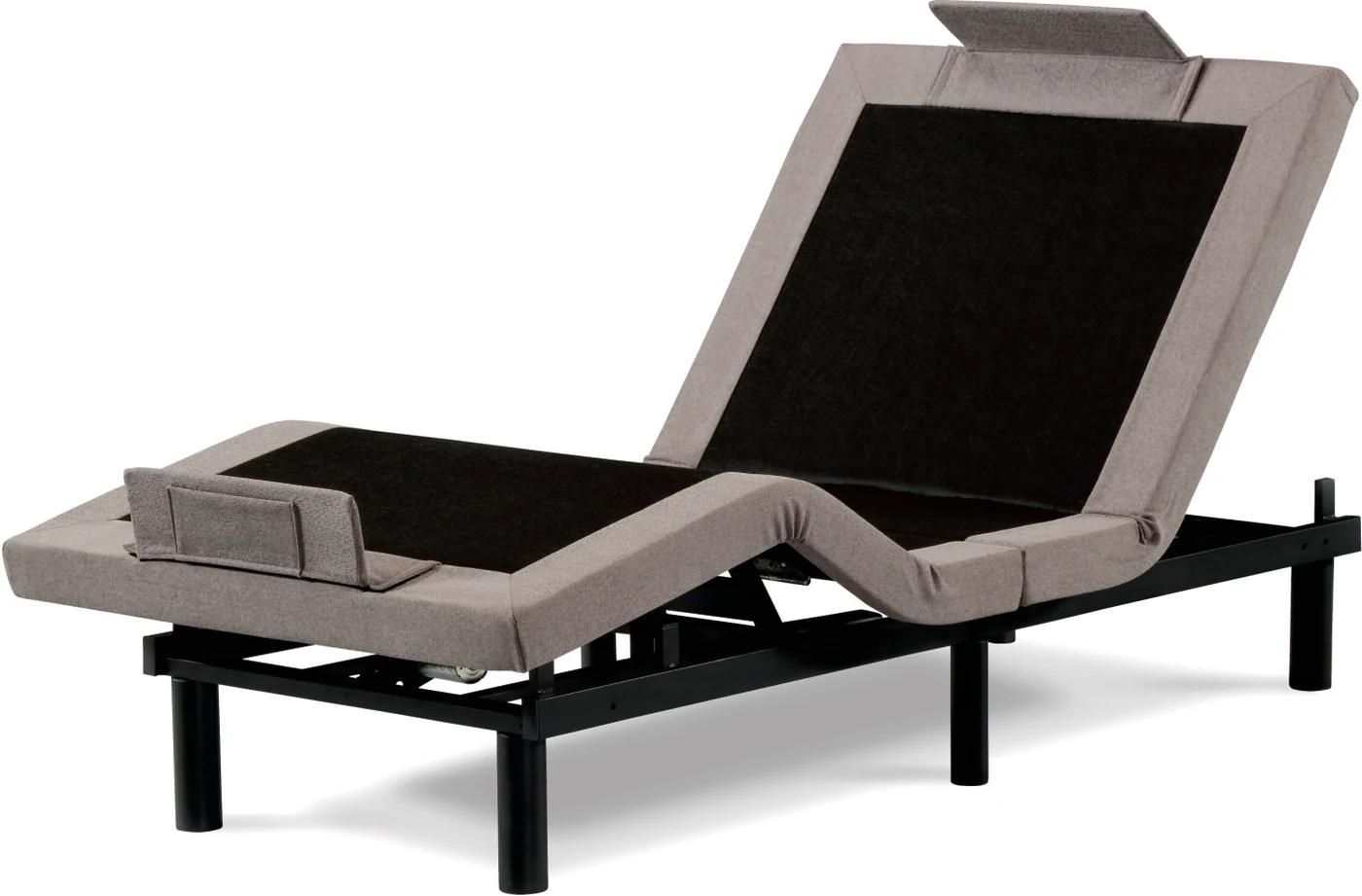
The current product records list KD001-A3 as an upholstered adjustable bed frame and KD010-A2 as a disassemblable electric bed frame. Their catalogue views are useful model references, but they do not establish the current revision, included components, packing method, destination assembly or options in a quote. The two images look similar; visual resemblance cannot settle those procurement questions.
These are real catalogue model examples, not customer stories or performance comparisons. Compare the current quotation and approved specification with the sample intended for approval.
| Buyer question | KD001-A3 review | KD010-A2 review | Evidence that closes it |
|---|---|---|---|
| Product direction listed | Upholstered adjustable bed frame | Disassemblable electric bed frame | Model and revision on the current quote/specification |
| What the catalogue image supports | Appearance reference | Appearance reference | Approved image-to-model mapping and current sample |
| Do not infer from the image | Options, controls, sizes, motion values or packing | Disassembly steps, carton data, assembly time or motion values | Approved spec, packing list, instructions and applicable test records |
| Channel decision | Does the approved finish suit the range? | Does documented packing and assembly suit the channel? | Approved sample and project packaging specification |
Compare quality, service and commercial terms on the same basis
For each supplier, compare the inspection scope, acceptance criteria, revision identification and deviation process proposed for your order. If a performance value matters to your market, its test method and covered configuration should be clear in the project file.
Normalize model revision, options, quantity, packaging, delivery basis and service scope before comparing price. Put sample terms, production timing, payment, Incoterms, warranty and remedies in the current written offer. Keep exclusions and unresolved costs beside the price.
Build a shortlist scorecard
Set the weightings before scoring so the result reflects your channel and risk. Score documented fit and leave unverified items open. The weights are a buyer tool, not a KCAI performance score. Note every open item and resolve it before the next purchasing decision.
| Criterion | Suggested weight | Evidence reviewed | Result |
|---|---|---|---|
| Product and channel fit | 25% | Model/revision, interfaces and approved sample | Buyer fills in |
| Technical and market evidence | 25% | Current specification and applicable documents | Buyer fills in |
| Quality and change control | 20% | Inspection plan, criteria and revision handling | Buyer fills in |
| Commercial comparability | 15% | Normalized quotation and agreed terms | Buyer fills in |
| After-sales responsibility | 15% | Warranty and service process | Buyer fills in |
Plan a focused supplier discussion
Share the destination market, sales channel, product family, model interests, required configuration, order range and launch timing through the Request a Quote page. If you are comparing KD001-A3 and KD010-A2, include both model codes and ask for the current revision, specification, packaging information and sample scope for each.
Frequently asked questions
What should I look for when choosing an adjustable bed manufacturer?+
Start with a model and configuration that fit your sales channel. Compare current specifications, applicable market documents, quality controls, written commercial terms and after-sales responsibilities for that exact offer.
Can I evaluate a manufacturer from its product catalogue?+
A catalogue helps identify product directions and model references. It does not establish the current revision, included options, test results, certification scope or quoted terms. Use the approved specification and sample for those decisions.
How should I compare adjustable bed supplier quotations?+
Align model revision, options, quantity, packaging, shipping basis, payment and service scope. List exclusions and unresolved costs beside the price so the offers remain comparable.
What information helps a supplier respond to an initial inquiry?+
Share the destination market, product family, sales channel, required configuration, approximate order range and launch timing. Those details give the supplier context for a relevant model and quotation discussion.
Related
Discuss Your Product Program
Get a specification and quote for your adjustable bed program.